
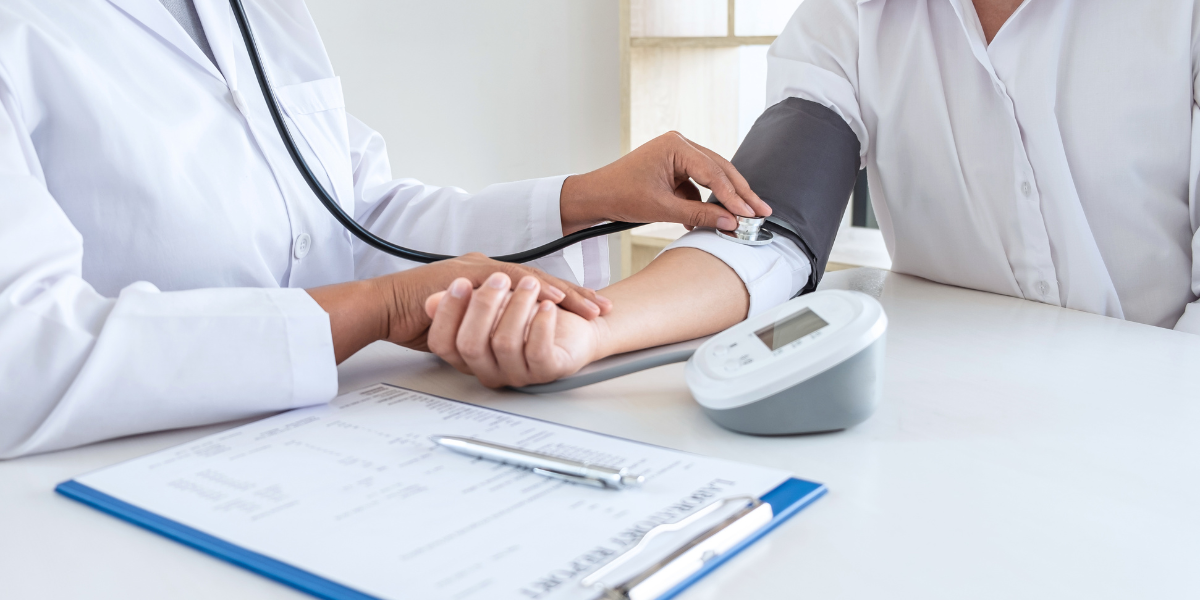
Diabetes can affect people at very different stages of life. A child learning how to manage blood sugar at school has different needs from an adult balancing diabetes with work, medications, blood pressure, or other chronic conditions.
For families and adults looking for diabetes management services in NJ, the goal is consistent care that helps patients understand their condition, monitor meaningful changes, use medications safely, and know when additional support is needed. At DasMD Clinic, we approach diabetes as an ongoing health condition that benefits from regular follow-up, patient education, and coordination with other clinicians when appropriate.
Diabetes Management Should Change With Age and Health Needs

Diabetes care differs for a child, a working-age adult, and an older adult. Children and adolescents may need family involvement, school planning, age-appropriate education, attention to growth and development, and coordination with pediatric diabetes specialists. Adults may need care that also considers blood pressure, cholesterol, kidney health, weight, cardiovascular risk, medication burden, and other chronic conditions. The American Diabetes Association’s 2026 Standards of Care notes that pediatric diabetes management should not simply be copied from adult care because developmental factors, disease patterns, and treatment responses can differ.
What Pediatric Diabetes Care Needs to Address
Children with diabetes need a plan that works at home, at school, during activities, and as they become more independent. Parents or caregivers may handle much of the daily care for younger children, while teenagers often take on more responsibility, with continued family and clinical support.
Type 1 and type 2 diabetes are managed differently
Type 1 diabetes often begins in childhood or adolescence, although it can develop at any age. People with type 1 diabetes need insulin because the pancreas makes little or no insulin. Daily care may include insulin dosing, blood glucose monitoring or continuous glucose monitoring, meal planning, and knowing how to respond to high or low blood sugar.
Type 2 diabetes can also occur in children and adolescents. Management may involve nutrition, physical activity, weight-related care when appropriate, blood glucose monitoring, medication, and follow-up based on the child’s needs.
Families, schools, and specialists may be part of the care team
For a child, diabetes management often extends beyond the exam room. Parents may need clear instructions for medications, meals, activity, sick days, and warning signs. School staff may also need a written diabetes management plan so the child can participate safely in classes, sports, meals, and other activities.
Pediatric diabetes care can involve a primary care clinician, pediatric endocrinologist, diabetes care and education specialist, dietitian, school nurse, and other professionals depending on the child’s needs. Primary care can support continuity and coordination, while specialist care may be important for type 1 diabetes, complex treatment plans, or other clinical concerns.
How Adult Diabetes Management Changes Over Time
Adults with diabetes may have very different treatment plans even when they share the same diagnosis. One person may manage type 2 diabetes with lifestyle changes and one medication. Another may use several medications, insulin, or diabetes technology and need closer monitoring because of other health conditions.
Monitoring should be based on the treatment plan
A1C testing estimates average blood glucose over the previous few months, but the right testing frequency depends on the person’s treatment goals and clinical situation. Blood glucose monitoring at home may also be useful for some patients, particularly when insulin is part of the plan or low blood sugar is a concern.
Follow-up care may also review blood pressure, weight, cholesterol, kidney health, medication response, and symptoms that could point to diabetes-related complications.
Other health conditions can influence diabetes decisions
Hypertension, high cholesterol, kidney disease, obesity, heart disease, sleep problems, and medication side effects can all affect a diabetes plan. This is one reason primary care can play an important role for adults with diabetes: the clinician can connect diabetes treatment with the management of other conditions.
What Diabetes Management Services in NJ May Include
Good diabetes care combines monitoring, treatment, education, and follow-up. The exact services should depend on age, diabetes type, current control, medications, health history, and risk factors.
A personalized review of blood sugar and health trends
A visit may include a review of home glucose readings, A1C results, symptoms, medications, nutrition patterns, activity, and episodes of high or low blood sugar. Looking at trends is often more useful than focusing on one isolated number.
For patients using a glucose meter or continuous glucose monitor, bringing records can help the care team understand patterns. Food, activity, illness, stress, sleep, and medication timing can all affect glucose levels, so context matters.
Medication review and treatment adjustments
Diabetes medications work in different ways, and not every option is appropriate for every patient. Treatment decisions can depend on diabetes type, age, kidney function, cardiovascular health, weight, risk of low blood sugar, other medications, and individual goals. A medication review should also consider side effects, whether the patient understands how to take each medicine, and whether cost or access is making the plan difficult to follow.
Preventive care and complication screening
Long-term diabetes care can include attention to the eyes, kidneys, feet, nerves, heart, and blood vessels. Screening schedules aren’t identical for every patient, so timing should be based on age, diabetes type, disease duration, prior results, and other health factors.
How Primary Care Supports Chronic Disease Management in Bergenfield, NJ

Patients often search for primary care chronic disease management in Bergenfield, NJ because diabetes rarely requires only one appointment. Ongoing care gives the clinician and patient repeated opportunities to review results, adjust the plan, answer questions, and address new concerns.
At DasMD Clinic, our primary care services include chronic disease management, and our website specifically identifies diabetes among the long-term conditions we manage. We also provide preventive care and annual physicals that can help place diabetes within the patient’s broader health picture.
Continuity makes changes easier to recognize
When a care team has access to previous blood pressure readings, A1C results, medication lists, weight trends, and prior treatment decisions, new information has context. A pattern across several visits can lead to a more useful conversation than one isolated result.
Referrals are part of good chronic disease care
Primary care does not need to handle every aspect of diabetes alone. Depending on the patient’s needs, referrals may be appropriate for endocrinology, eye care, nutrition support, kidney care, podiatry, diabetes education, or other services. For children and adolescents, coordination with a pediatric endocrinologist can be especially important. For adults, referral needs may depend on diabetes complexity, complications, treatment response, or other conditions.
When Online Type 2 Diabetes Treatment In NJ Can Help
Virtual care can make some parts of diabetes follow-up easier, especially when a patient needs to review glucose readings, discuss medication questions, go over test results, or talk about how a treatment plan is working. Patients searching for online type 2 diabetes treatment in NJ should still expect individualized care. A virtual visit may be appropriate for certain follow-ups, but some concerns require an in-person examination, laboratory testing, vital signs, or urgent evaluation.
DasMD Clinic offers telemedicine visits for chronic condition management, medication reviews, follow-up, and discussion of test results. When an in-person examination is needed, our team can advise the patient and help arrange the next step.
Virtual care should support ongoing diabetes management
Telemedicine is most useful when it connects back to the patient’s medical record and treatment plan. For some adults with stable type 2 diabetes, a mix of appropriate virtual follow-up and in-person care can make ongoing management easier to fit into daily life.
Questions To Ask When Choosing A Diabetes Clinic Near Me
Searching for a diabetes clinic near me often produces many options, but location alone does not show how a practice handles ongoing care. Ask questions that reveal whether the clinic fits your needs.
Consider asking:
- Does the clinic manage my type of diabetes and age group?
- How are medication changes and laboratory results followed over time?
- Can the clinic coordinate referrals when specialist care is needed?
- Are telemedicine follow-ups available when medically appropriate?
- How does the practice handle urgent concerns between routine visits?
- Will diabetes care be coordinated with my other chronic conditions?
For parents, ask how the practice coordinates pediatric diabetes care and when pediatric endocrinology should be involved. Adults can ask how diabetes management connects with blood pressure, cholesterol, kidney health, weight, and preventive care.
How We Support Diabetes Care At DasMD Clinic

At DasMD Clinic in Bergenfield, we provide primary care for patients across age groups and manage chronic conditions, including diabetes. Our primary care information states that we care for patients ranging from children to adults while providing ongoing management for chronic conditions.
We review the patient’s medical history, current treatment, health measurements, daily challenges, and preventive needs before deciding what deserves attention next. For adults, that may include ongoing type 2 diabetes management, medication review, monitoring, preventive care, weight-related support when appropriate, and specialist coordination. For children and adolescents, primary care can support routine health needs and coordination while age-specific diabetes treatment may involve pediatric endocrinology and other members of the care team.
We also offer telemedicine for appropriate follow-up needs, giving patients another way to discuss chronic condition management, medication questions, or test results when an in-person examination is not required. Our goal is to keep diabetes care connected to the rest of the patient’s health rather than treating one glucose result or one appointment in isolation.
Conclusion
Diabetes management changes across childhood, adolescence, adulthood, and later life. Children may need family involvement, school planning, developmentally appropriate education, and specialist coordination. Adults may need diabetes care integrated with medications, cardiovascular risk, kidney health, weight, blood pressure, and other long-term conditions.
The right diabetes management services in NJ should reflect those differences while keeping the patient at the center of the plan. If you or a family member needs help reviewing diabetes care, medication concerns, monitoring, or ongoing chronic disease management, contact our team at DasMD Clinic in Bergenfield. We can review your current needs, explain the next steps, and coordinate additional care when appropriate.


